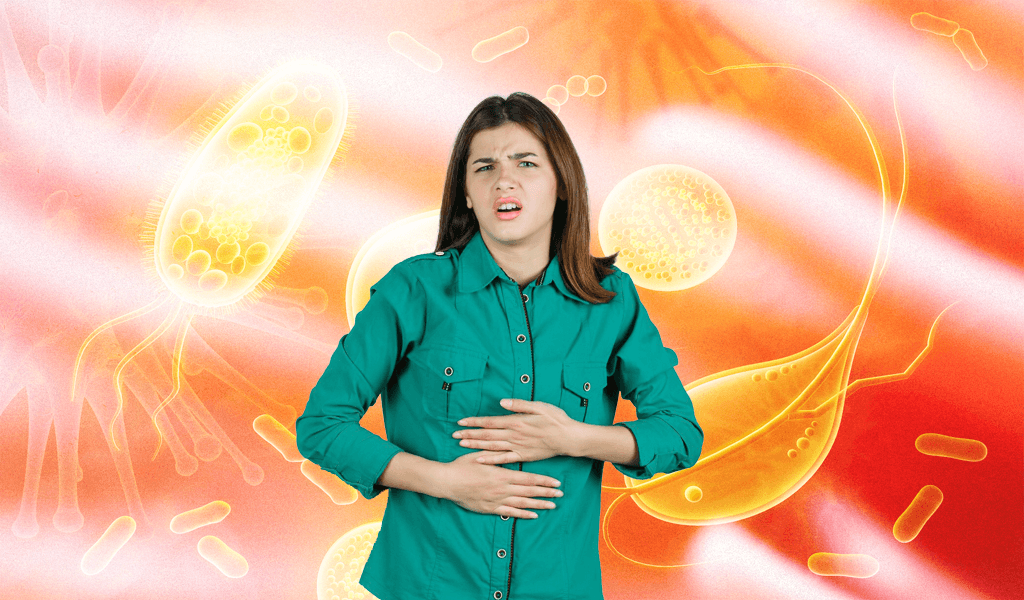
The gut microbiome has become one of the most influential topics in modern biomedical science, nutrition, and preventive healthcare. Rapid advances in microbiome research, genomics, artificial intelligence (AI), and precision medicine are redefining how we understand gut health, chronic disease, and personalized wellness.
From metabolic disorders and immune regulation to mental health and longevity, the gut microbiome is now recognized as a key driver of human health and disease.
Understanding the Gut Microbiome
The human gut microbiome consists of trillions of microorganisms – including bacteria, viruses, fungi, and archaea – living primarily in the gastrointestinal tract. These microbes play a critical role in:
• Digestion and nutrient absorption
• Immune system regulation
• Inflammation control
• Metabolism and insulin sensitivity
• Gut–brain axis signaling
Through the production of short-chain fatty acids (SCFAs), neurotransmitter precursors, bile acid metabolites, and immune-modulating compounds, the gut microbiota directly influences both local gut health and systemic physiology.
Key Gut Microbiome Research Trends (2024–2025)
1. AI-Driven Microbiome Analysis
One of the fastest-growing trends in microbiome science is the use of artificial intelligence and machine learning. These tools allow researchers to analyze complex microbiome datasets at scale and identify microbial patterns linked to disease risk and treatment outcomes.
Applications include:
- Microbiome-based disease prediction
- Personalized nutrition and diet optimization
- Precision probiotics and live biotherapeutics
- Improved fecal microbiota transplantation (FMT) outcomes
AI is accelerating the shift toward personalised gut health solutions.
2. Gut Microbiome and Metabolic Health
Strong evidence now links gut dysbiosis to metabolic disorders such as:
- Type 2 diabetes
- Obesity
- Insulin resistance
- Non-alcoholic fatty liver disease (NAFLD)
Microbial metabolites influence glucose metabolism, lipid regulation, and inflammatory pathways, making the gut microbiome a promising target for metabolic disease prevention and treatment.
3. Gut-Brain Axis and Mental Health
The gut-brain axis remains a major focus area. Research continues to show how gut bacteria communicate with the brain through neural, immune, and hormonal pathways.
Emerging studies connect gut microbiome composition with:
- Anxiety and depression
- Cognitive function
- Stress resilience
- Neuroinflammation
This has fueled interest in psychobiotics, dietary interventions, and microbiome-targeted mental health therapies.
4. Beyond Probiotics: Next-Generation Microbiome Therapies
Traditional probiotics are being replaced by next-generation microbiome therapeutics, including:
- Precision-designed bacterial strains
- Microbiome-derived metabolites
- Phage-based therapies
- Postbiotics and synbiotics
These approaches aim to deliver clinically validated, targeted effects rather than generic gut support.
Breakthrough Innovations in Gut Microbiome Science
Advanced gut diagnostics: New ingestible devices and multi-omics approaches are enabling more accurate microbiome sampling beyond stool tests.
Environmental detoxification: Certain gut microbes have shown potential to help eliminate persistent environmental toxins.
Microbiome diversity optimization: Diets rich in plant-based fiber, polyphenols, and fermented foods continue to show strong associations with microbial diversity and immune health.
Challenges in Microbiome Research
Despite rapid growth, the field faces important challenges:
- Lack of standardization in microbiome testing
- High inter-individual variability
- Difficulty proving causation versus correlation
- Over-marketing of unvalidated microbiome products
Scientific rigor, regulatory oversight, and longitudinal human studies remain essential.
The Future of Gut Health and Precision Medicine
The future of gut microbiome research lies in integrated multi-omics, combining:
- Microbiome sequencing
- Metabolomics
- Host genetics
- Clinical and lifestyle data
This convergence will power precision nutrition, personalized medicine, and preventive healthcare strategies tailored to individual microbiome profiles.
References:
- Nature Reviews Gastroenterology & Hepatology – Advances in gut microbiome science
- Gut (BMJ Journal) – AI and microbiome-based precision medicine
- Cell & Science Journals – Microbiome and metabolic disease
- Frontiers in Microbiology – Gut–brain axis and neuroimmune signaling
- The Lancet Gastroenterology & Hepatology – Clinical translation of microbiome therapies